For decades, the western approach to mental health and trauma was largely confined to the realm of the intellect. We were taught that if we could simply talk through our experiences, analyze our past, and rationalize our feelings, we could heal. Yet, for millions of people silently carrying the weight of PTSD, chronic stress, and unresolved pain, talk therapy alone often hits a wall.
Why? Because trauma does not just live in the mind. It lives in the physical body.
In his groundbreaking book, The Body Keeps the Score: Brain, Mind, and Body in the Healing of Trauma, Dr. Bessel van der Kolk revolutionized our understanding of trauma by proving that profound emotional experiences physically alter our biology. When we experience severe stress or trauma, our nervous system enters a state of fight, flight, or freeze. If that energy is not discharged, the emotion becomes trapped within our muscle tissues, fascia, and nervous system.
To achieve true emotional release, we must bridge the gap between the physical and the mental. We must engage the soma (the living body) directly. This is where ancient yogic science—specifically practices like Kapalabhati breathing, the generation of internal heat, and the profound system of Kriya—offers a revolutionary pathway to healing.
By understanding kriya and the connection of soma and mind, we can actively begin releasing emotion stored in the body.
The Science of Stored Emotion: Why the Body Keeps the Score
To understand how to release trapped emotions, we must first understand how they get there. When a traumatic event occurs, the rational part of the brain (the prefrontal cortex) often shuts down, while the survival center (the amygdala) takes over. The body floods with cortisol and adrenaline, preparing for physical action.
However, in modern society, we rarely discharge this survival energy physically. We suppress the urge to scream, shake, run, or cry. Because the physical action is thwarted, the nervous system remains locked in a state of high alert. This is the physiological root of PTSD.
As The Body Keeps the Score so eloquently explains, these unprocessed experiences do not simply fade away with time. They manifest as chronic pain, tension, autoimmune issues, anxiety, and an inability to feel present or safe. The emotion stored in the body acts as a heavy, invisible anchor.
Healing requires us to communicate with the body in a language it understands: not words, but breath, movement, and physical sensation.
The Soma-Mind Connection: Bridging the Gap
The term “somatic” comes from the Greek word soma, meaning the living, breathing, experiencing body. The soma-mind connection is the continuous, bidirectional loop of communication between our physical sensations and our mental states.
When you feel anxious, your chest tightens and your breath becomes shallow. Conversely, when you consciously slow your breath and relax your muscles, your mind interprets these physical cues as a signal of safety, easing anxiety.
To heal PTSD and deep-seated trauma, we must leverage this connection. We cannot think our way out of a feeling problem; we must feel our way out. Releasing emotion requires us to bypass the analytical mind and access the nervous system directly.
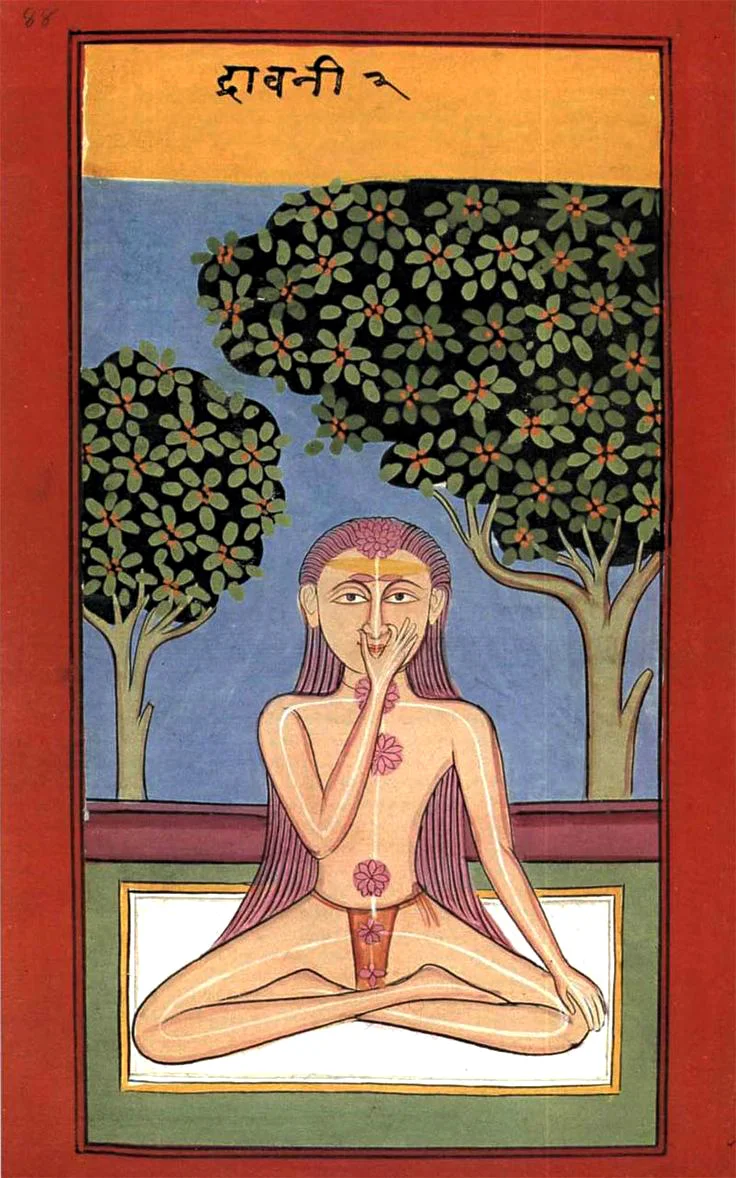
This is where Kriya yoga and specific breathwork techniques enter the picture. Kriya, which translates to “action” or “effort,” involves specific sequences of breath, posture, and focus designed to move stagnant energy. Kriya and the connection of soma and mind provide a direct key to unlocking the body’s deeply held emotional vaults.
Kapalabhati: The Breath of Fire and Emotional Release
One of the most profound tools for somatic healing is Kapalabhati, an ancient yogic kriya often referred to as “Skull Shining Breath” or the “Breath of Fire.”
Kapalabhati is a dynamic, active breathing technique characterized by short, forceful exhalations driven by the sharp contraction of the lower abdominal muscles, followed by passive, automatic inhalations. While it may seem like a purely physical exercise, its effects on the nervous system and emotional body are staggering.
How Kapalabhati Works on the Nervous System
When you engage in the rapid, rhythmic pumping of Kapalabhati, you are essentially giving your internal organs a deep tissue massage. This rhythmic contraction stimulates the vagus nerve—the superhighway of the parasympathetic nervous system, which governs our “rest and digest” response.
Furthermore, the intense focus required to maintain the rhythm of Kapalabhati forces the thinking mind to quiet down. You cannot ruminate on past trauma or worry about the future while aggressively pumping your diaphragm. It anchors you violently and beautifully into the present moment.
Releasing Emotion Through Breath
As the physical body is oxygenated and the nervous system is stimulated, the armor we use to suppress our feelings begins to crack. It is incredibly common for practitioners of Kapalabhati to experience spontaneous emotional release. This might look like sudden tears, uncontrollable laughter, physical shaking, or a profound wave of relief.
This is the literal act of releasing emotion stored in the body. The breath acts as a physiological plunger, forcing stagnant, trapped survival energy up and out of the tissues. It is a vital process of internal cleansing.
Generating Internal Heat (Tapas): Burning Away the Past
A key component of Kapalabhati and other intense kriyas is the rapid generation of internal heat. In the yogic tradition, this internal heat is known as Tapas.
Tapas is not just the physical warmth you feel when you exercise; it is a transformative, purifying fire. Energetically and physically, generating internal heat is necessary to melt the rigid, frozen states of trauma held within the body.
When someone is suffering from PTSD or severe emotional suppression, their physical body often mirrors their psychological state: frozen, rigid, cold, and numb. The fascia hardens, and blood flow to certain areas may restrict.
The Physiology of Internal Heat
The vigorous abdominal contractions of Kapalabhati stoke the digestive fire and rapidly increase core body temperature. This internal heat increases blood circulation, flushing fresh oxygen and nutrients into tissues that have been starved by chronic tension.
As the body heats up, the physical tissues literally become more pliable. The hardened fascia begins to soften. As the physical grip loosens, the emotional grip loosens with it. The heat acts as a catalyst, accelerating the breakdown of energetic blockages.
This is why physical sensations like sweating, tingling, and radiating warmth during breathwork are so highly prized. They are tangible markers that the body is metabolizing and burning away the physical residue of past trauma.
Kriya and the Connection of Soma and Mind
The integration of these elements—the understanding of the soma-mind connection, the forceful breath of Kapalabhati, and the purifying power of internal heat—culminates in the practice of Kriya.
Kriya is the ultimate expression of internal engineering. It is not just about relaxation; it is about active, intentional transformation. When we engage in Kriya, we are taking conscious control of our autonomic nervous system. We are telling the body, “It is safe to let go now.”
Moving Stagnant Energy
Trauma is, at its core, stagnant energy. It is an interrupted biological response. Kriya completes that response. By moving the body and the breath in specific, rhythmic ways, we allow the nervous system to finally complete the cycle of fight or flight, bringing the body back to a state of homeostasis and profound peace.
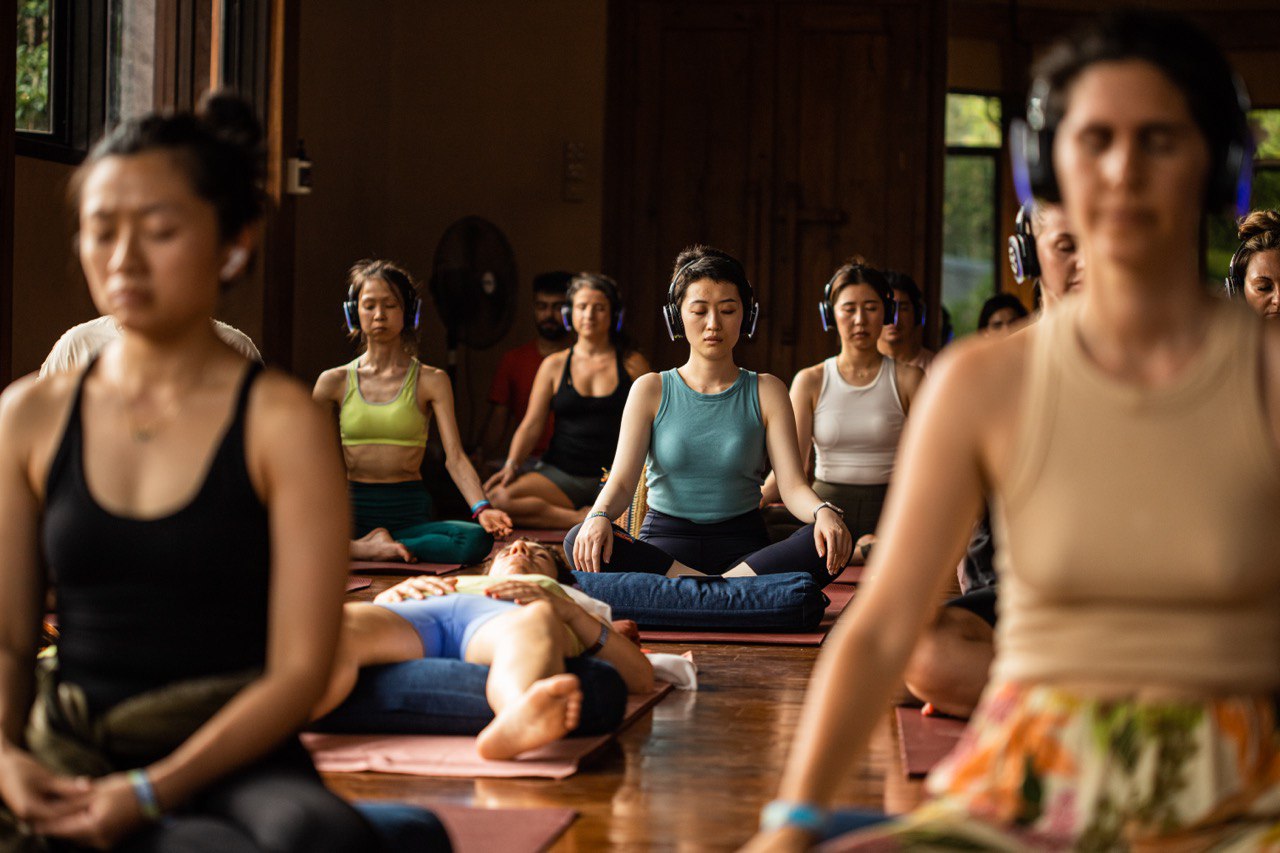
This connection of soma and mind is what makes practices like The Pantheon Method so incredibly effective. By combining ancient kriya techniques with modern innovations like immersive binaural beats, the brain is coaxed into delta and theta brainwave states. The mind drops its defenses, the body generates purifying heat, and the stored emotions are finally given permission to leave.
The Journey of Releasing Emotion Stored in the Body
Undertaking the journey to release emotion stored in the body is not always comfortable. Because our bodies have spent years, sometimes decades, building walls to protect us from feeling our pain, breaking down those walls can feel intensely vulnerable.
During practices that generate internal heat and utilize Kapalabhati, you may encounter physical resistance. You may feel your throat tighten, your hands tingle, or your stomach cramp. You may feel sudden flashes of anger, deep sorrow, or overwhelming fear.
This is the healing process.
When these sensations arise, the goal is not to analyze them or attach a story to them. The goal is simply to let the body do what it has been trying to do since the trauma occurred: process and release. By maintaining the breath and staying present with the physical sensations (the soma), you allow the energy to move through you rather than remaining stuck inside you.
The Pantheon Method: A Revolution in Internal Engineering
At The Pantheon Method, we recognize that true healing cannot happen in the mind alone. We must address the physical reality of trauma as outlined in The Body Keeps the Score: Brain, Mind, and Body in the Healing of Trauma.
Our approach is built upon the profound realization that ancient wisdom and modern neuroscience are pointing to the exact same truth: the body must be involved in the healing process.
Through our curated practices, we utilize the explosive power of Kapalabhati to generate internal heat and break through physical and emotional numbness. We pair these ancient yogic kriyas with meticulously engineered binaural soundscapes that guide your brainwaves into states of deep, restorative rest.
This fusion creates a safe, powerful container for emotional release. It is a pathway beyond the thinking mind. It is a method for deep energization, emotional cleansing, and the total reset of the nervous system.
Conclusion: Reclaiming Your Body, Reclaiming Your Life
You do not have to carry the weight of your past forever. The tension in your shoulders, the shallowness of your breath, the persistent hum of anxiety—these are not permanent character traits. They are simply emotions stored in the body, waiting for a safe opportunity to be released.
By tapping into the soma-mind connection, generating internal heat, and utilizing the profound power of Kapalabhati and kriya, you can actively participate in your own healing. You can teach your nervous system that the threat has passed. You can clear the stagnant energy, reset your baseline, and recharge your life.
The body keeps the score, but it also holds the key to your liberation. It is time to breathe, release, and return home to yourself.
Are you ready to experience profound emotional release and internal energization?
Explore The Pantheon Method today and begin your journey into the transformative power of breath, binaural beats, and energy.