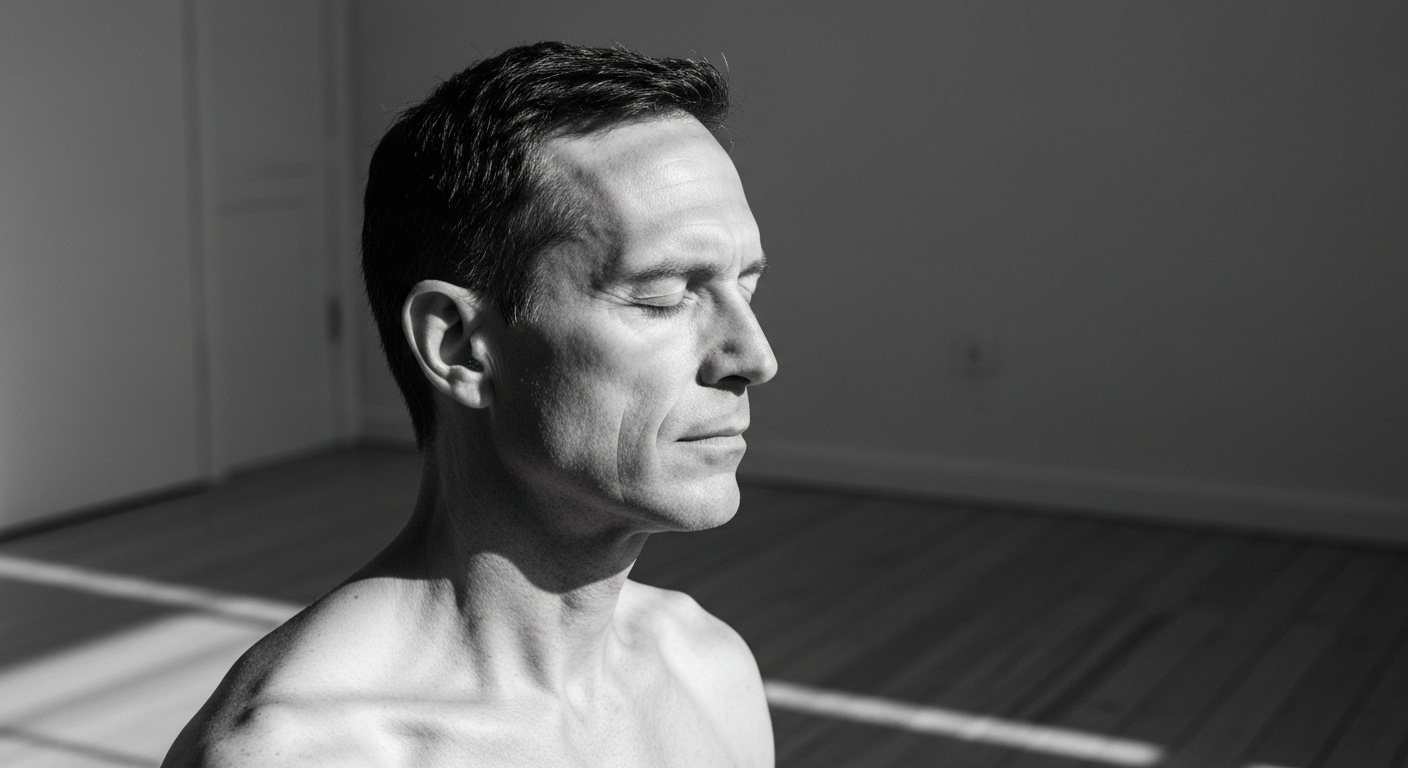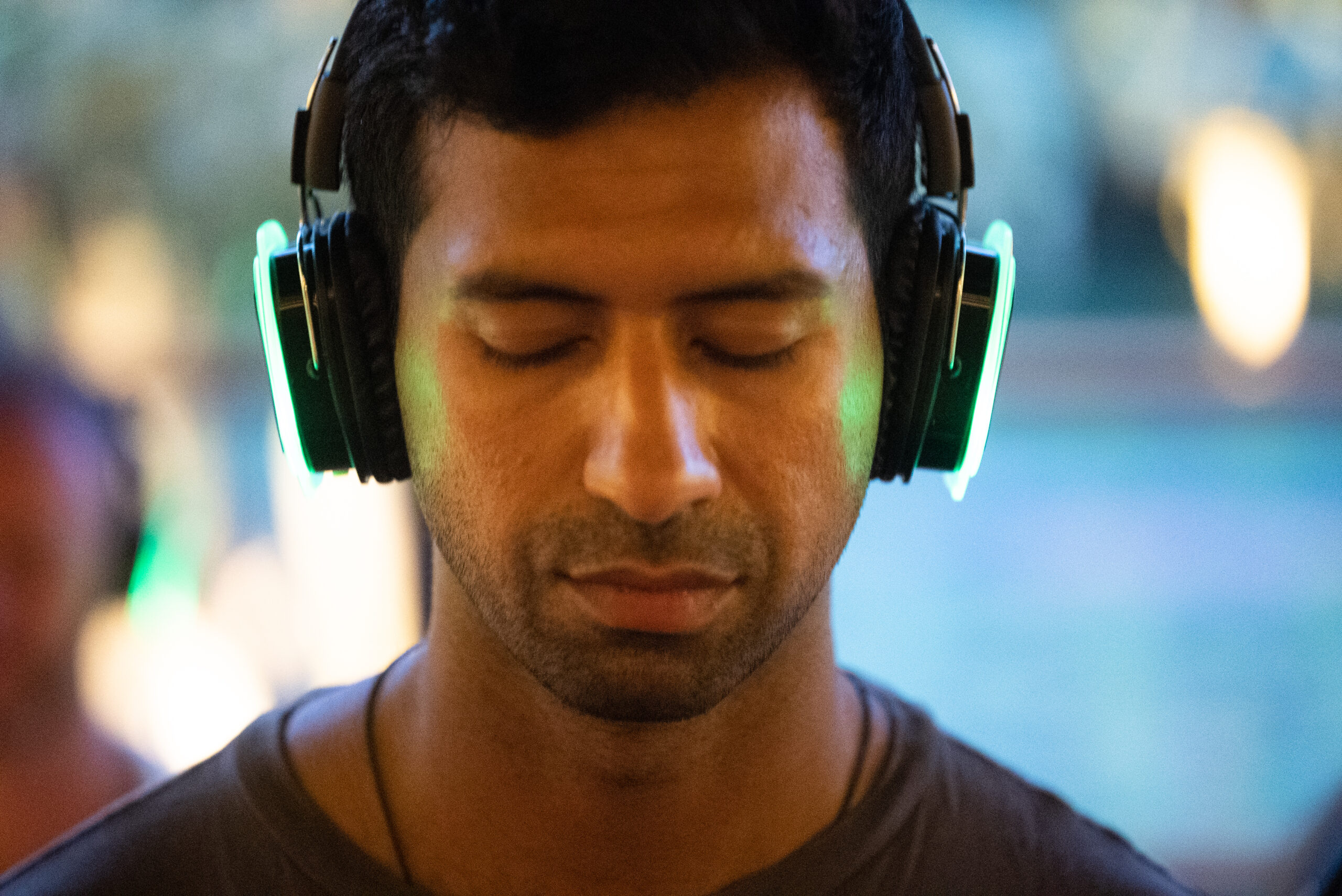
When you pair intentional breathing with precisely designed sound, you create a reliable lever for state change. In this guide, you’ll learn how sound healing and binaural beats can amplify your breathwork practice by synchronizing brain rhythms, stabilizing the autonomic nervous system, and sharpening focus. We’ll translate the latest research into practical protocols you can apply at home or inside immersive formats like The Pantheon Method, a 50-minute rhythmic breathing and meditation experience based in Portugal.
The science of sound in the nervous system
Acoustic rhythm shapes breath and heart rate
Tempo matters. Controlled studies show that musical tempo can influence respiration and cardiovascular responses: faster rhythms nudge sympathetic activation, slower rhythms promote parasympathetic shift (Bernardi et al., 2006). This is crucial for breathwork, where slow, regular breathing (around 5–6 breaths per minute) enhances heart rate variability (HRV), a marker of vagal tone and stress resilience. By choosing tempos that naturally cue longer exhales, sound can help the body settle into resonance breathing without overthinking the count.
Neurochemistry of sound and emotion
Music and sound affect dopamine, endorphins, and cortisol—the neurochemical scaffolding of motivation and stress (Chanda & Levitin, 2013). When used with paced breathing, calming sound reduces perceived effort and supports adherence. This synergy provides a pathway to downshift from high arousal states while maintaining alertness, a sweet spot for professionals who need to recover without feeling sedated.
Frequency following and brain rhythms
Auditory stimulation can nudge brain activity toward specific frequency bands, a phenomenon often called frequency-following or entrainment (Oster, 1973). Binaural beats—the perception of a third “beat” when two slightly different tones are played to each ear—are one form. While effects vary by individual, studies suggest targeted beats can modulate mood and attention (Lane et al., 1998), making them an evidence-informed tool to complement breath-driven state regulation.
What binaural beats are—and how they interact with breathwork
Frequency bands matched to goals
Different frequency ranges are associated with distinct states: delta (0.5–4 Hz, deep sleep), theta (4–8 Hz, relaxed imagery), alpha (8–12 Hz, calm focus), beta (13–30 Hz, alert concentration), and gamma (30–70+ Hz, integrative processing). For breathwork, alpha/theta often support downshifting and interoception, while low beta or gamma may assist post-session focus. Aligning breath cadence with the desired band helps create consistency and may enhance transfer from practice to daily performance.
Evidence, promising yet mixed
Research on binaural beats shows small-to-moderate effects in specific domains. Lane et al. (1998) reported mood and vigilance changes with beta-frequency beats. Wahbeh et al. (2007) found theta/delta beats influenced anxiety and sleep measures in some participants. A preoperative trial showed reduced anxiety with short exposure (Padmanabhan et al., 2005). Meta-analyses suggest modest benefits for memory and attention with protocol-specific use (Garcia-Argibay et al., 2019). For integrative context, see Effect of Breathwork on Brain Function and Health.
Limitations and safe use
Results vary with volume, carrier tones, duration, and individual differences. Binaural beats are not a cure-all, and entrainment is not guaranteed for everyone. Keep audio at safe levels, avoid use while driving, and consult a clinician if you have a history of seizures or sound sensitivity. Treat sound as an adjunct that enhances the reliably evidence-based effects of slow, controlled breathing.
Sound healing modalities that pair with breathwork
Singing bowls and gongs
In-person sound baths use long-decay, low-to-mid frequency resonances. A study on Tibetan singing bowl sound meditation reported reductions in tension, anger, fatigue, and depressed mood after a single session (Goldsby et al., 2017). During breathwork, these sustained tones can function as an external metronome, promoting smooth inhalations and extended exhales while providing a soothing auditory “container.”
Binaural beats vs. isochronic tones vs. noise
Binaural beats require headphones and present two slightly detuned tones to each ear. Isochronic tones use on-off pulses and can work over speakers. Pink or brown noise can mask distractions, supporting attentional stability. In practice, you might use alpha-theta binaural beats for interoceptive awareness, isochronic pulses for clear pacing, and pink noise to reduce cognitive load—each in service of more consistent breathing mechanics.
Vibroacoustic and low-frequency support
Vibroacoustic therapy delivers gentle low-frequency vibrations through a chair or mat. Early research suggests anxiolytic and relaxation benefits by stimulating mechanoreceptors and the vagal network. While more trials are needed, layered with slow nasal breathing, low-frequency vibration can reinforce the sense of embodied rhythm and reduce breath-holding or shoulder-based breathing.
Protocols: how to layer sound into your breathwork practice
Prime the system (5–10 minutes)
Begin with alpha (10 Hz) or theta (6 Hz) binaural beats at low-to-moderate volume. Sit upright, eyes soft, and scan posture. Breathe nasally at 6 breaths per minute (inhale ~4 seconds, exhale ~6 seconds). This primes the vagal brake and smooths entry into deeper work. Use closed-back headphones for isolation; keep output under safe listening levels.
Core practice (15–25 minutes)
Shift to a steady sound bed (60–80 BPM) with minimal melodic distraction. Maintain resonance breathing or a 1:1:1:1 box pattern if you need focus. If using sound healing and binaural beats, select alpha for calm alertness or stay on theta if your goal is down-regulation. Keep the exhale unforced but slightly longer than inhale to bias parasympathetic tone.
Consolidate and transition (5–10 minutes)
To exit, taper sound toward lighter textures, or briefly introduce low beta (14 Hz) or gentle gamma for a clean re-entry to work. Research hints that gamma-range beats may influence creative fluency in some individuals (Reedijk et al., 2015). For more on creative transfer, explore The Science Behind Creativity.
- Recommended order: Prime (alpha/theta) → Core (steady bed) → Consolidate (alpha/low beta)
- Volume: Just above the threshold of masking distractions—never loud
- Duration: 25–45 minutes total for most busy schedules
- Equipment: Comfortable headphones; timer set to your cadence
Performance and recovery benefits for busy professionals
Stress regulation and HRV
Slow breathing reliably improves HRV and vagal tone (Zaccaro et al., 2018), helping reduce physiological stress reactivity. When layered with sound, the auditory pacing reduces cognitive effort, making adherence easier on demanding days. For learning how these changes influence cognition and mood, see Effect of Breathwork on Brain Function and Health.
Focus, flow, and cognitive flexibility
Studies suggest alpha-range beats can support calm concentration, while brief exposure to gamma-range beats may aid divergent thinking in some contexts (Reedijk et al., 2015). Combined with structured breathing, this creates a practical on-ramp to flow states: quiet internal noise, sustain attention, and then re-engage with work. Results vary—track your response and tune the protocol.
Sleep and downshifting
Evening breathwork with softer textures or theta/delta beats can set the stage for sleep by reducing arousal and supporting regular, slower breathing. Avoid heavy cognitive tasks post-session, and don’t use beat-based audio when driving. The goal is a safe descent, not sedation. Consider a short nasal-breathing set before bed to establish a cue for sleep onset.
Inside The Pantheon Method: a sound-designed breathing experience
Rhythmic guidance without mental load
The Pantheon Method blends 50 minutes of rhythmic breathing and meditation with precision sound design. Tempos and textures are engineered to reduce counting fatigue, cue smoother exhales, and maintain a stable respiratory rhythm—freeing cognitive bandwidth for interoception and emotional processing.
Research-informed and measurable
The program’s structure aligns with literature on resonance breathing, HRV, and auditory pacing, drawing from studies on entrainment and mood regulation. Participants are encouraged to reflect on pre/post mood, focus, and energy. Many integrate home protocols between sessions; if you’re building a routine, explore How to Incorporate Breathwork Into Your Daily Life.
From studio to daily life
Beyond the immersive setting, the same principles scale to a commute reset or pre-meeting primer: brief alpha priming, 6-bpm nasal breathing, and a clean exit track. Over time, this consistency leverages neuroplasticity—your nervous system learns to associate specific sounds with reliable state shifts, making change more automatic.
Real-world protocols you can test this week
Morning clarity (12 minutes)
Use alpha (10 Hz) binaural beats for 3 minutes while centering posture. Transition to a neutral sound bed for 8 minutes of 4-second inhale, 6-second exhale. Finish with 1 minute of quiet. Expect calmer focus without grogginess.
Midday reset (8 minutes)
Choose pink noise or soft bowls. Box breathing 3-3-3-3 for 4 minutes, then 4-6 inhale-exhale for 4 minutes. If desired, light isochronic pulses can reinforce pacing. This is ideal between back-to-back calls.
Evening downshift (15 minutes)
Theta beats at low volume for 5 minutes, then 6 breaths per minute for 8 minutes, finishing with 2 minutes of silent exhale-lengthening. Keep lights low. Repeat nightly to create a habit loop.
- Set intention (state goal: calm focus, recovery, or sleep)
- Select sound (alpha/theta/neutral) and safe volume
- Choose cadence (6-bpm or box breathing)
- Run timer and log HRV or mood after
Key takeaways
- Sound can gently guide respiration and heart rhythms; slower tempos support parasympathetic shift and higher HRV.
- Binaural beats offer protocol-specific, modest benefits; alpha/theta often pair well with down-regulating breathwork.
- The synergy of sound healing and binaural beats with structured breathing reduces cognitive load, increasing adherence and consistency.
- Use simple, repeatable protocols: prime (alpha/theta), core (steady breath at 5–6 bpm), consolidate (alpha/low beta) for clean transitions.
- Track personal response—effects are individual and depend on volume, duration, and context.
- Integrate into daily life with short sessions to build reliable state control and support neuroplastic change over time.
- For curated, research-informed pacing and sound, explore the immersive design of The Pantheon Method.
When implemented thoughtfully, sound healing and binaural beats are best seen as precision tools that amplify what breathwork already does well. By matching the sonic environment to your intention and respiratory cadence, you create a repeatable pathway into calm clarity.
Closing thoughts
Sound won’t breathe for you, but it can make every breath count. If you’re ready to experience the synergy of sound and scientifically paced breathing in a guided, immersive setting, explore The Pantheon Method. Then bring the principles into your routine with the at-home strategies above—refining your personal protocol until calm focus becomes second nature.