In an era of chronic overstimulation, the radical act of slowing down might be the most powerful medicine we have.
We are a culture addicted to momentum. From the moment our alarms jolt us awake, we are propelled into a state of doing. We optimize our mornings, we hack our productivity, and we measure our worth by the sheer volume of output we can generate before the sun goes down. But beneath this relentless forward motion, a silent crisis is unfolding within our biology.
Our nervous systems were not designed to process the sheer velocity of modern life. We are essentially running ancient hardware in a world of infinite digital stimulation. The result is a collective state of chronic activation—a low-grade, persistent stress response that leaves us feeling simultaneously exhausted and entirely unable to rest.
When we finally do collapse at the end of the day, we often mistake numbness for relaxation. We scroll, we stream, we consume—numbing the mind without ever actually resting the body. True rest, the kind that repairs cellular damage and unwinds psychological tension, requires a different approach. It requires the deliberate, sometimes uncomfortable choice to stop.
This is where Yin Yoga enters—not merely as a physical stretching routine, but as a sophisticated technology for nervous system regulation and deep emotional healing.
What Is Yin Yoga?
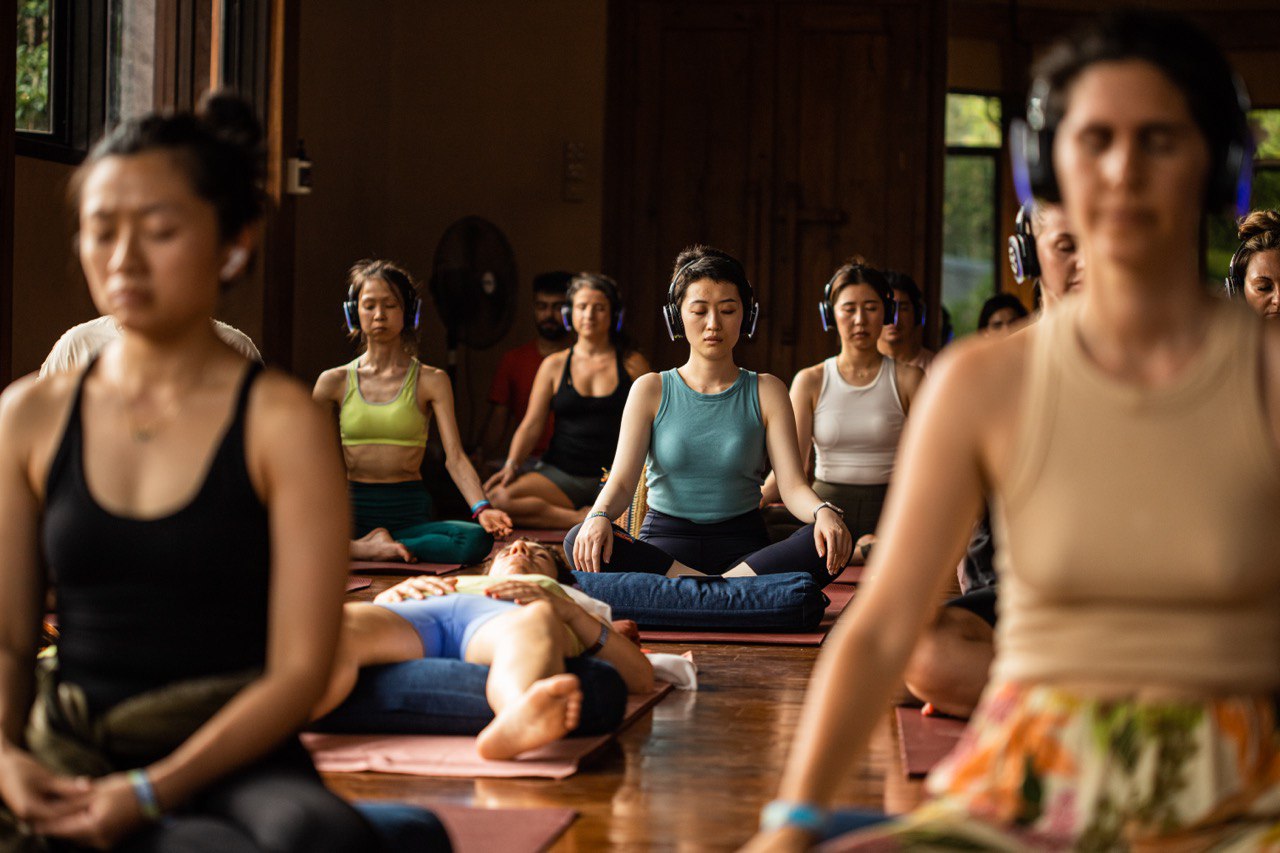
If the majority of modern fitness—including power vinyasa and HIIT—is considered Yang (active, heat-building, muscular, and dynamic), then Yin is its essential counterpart. Yin Yoga is a slow-paced style of yoga with postures, or asanas, that are held for longer periods of time—typically ranging from three to five minutes, and sometimes longer.
While Yang practices target the muscles, Yin Yoga targets the deep connective tissues of the body: the fascia, ligaments, joints, and bones. But the physical mechanics of the practice are only half the story. The true work of Yin Yoga happens in the profound stillness it demands.
By holding postures for extended periods, we are forced to confront the restlessness of the mind. We cannot rely on movement to distract us from our internal landscape. In Yin, we are asked to find our edge—a point of sensation that is challenging but not painful—and then, radically, to simply stay there.
Why Slowing Down Is So Difficult Today
If Yin Yoga is so beneficial, why do so many of us find it excruciatingly difficult to practice? The answer lies in our neurobiology.
When we are constantly stimulated by emails, notifications, and the demands of daily life, our sympathetic nervous system—the network responsible for our fight-or-flight response—is continuously engaged. In this state, the brain perceives stillness not as relaxation, but as a vulnerability. To a hyper-vigilant nervous system, slowing down feels profoundly unsafe.
When you first settle into a Yin posture, your mind will likely rebel. It will generate a to-do list, it will replay conversations from yesterday, and it will urge you to move, to adjust, to escape the sensation of just being. This is not a failure of the practice; this is the exact psychological friction the practice is designed to address.
“We have forgotten how to rest because we have conflated our stillness with unproductivity. But rest is the very foundation of resilience.”
The Nervous System and the Science of Relaxation
To understand the profound benefits of Yin Yoga, we must look at the autonomic nervous system, which operates in two primary modes:
- The Sympathetic Nervous System (SNS): The accelerator. It prepares the body for action, releasing cortisol and adrenaline, increasing heart rate, and shunting blood away from digestion toward the limbs.
- The Parasympathetic Nervous System (PNS): The brakes. It initiates the “rest and digest” response, slowing the heart rate, lowering blood pressure, and signaling to the body that it is safe to repair and recover.
Chronic stress keeps us locked in sympathetic dominance. Yin Yoga is a deliberate practice of parasympathetic activation. As we hold a pose and consciously slow our breathing, we send signals via the vagus nerve to the brain, communicating safety. Over time, this practice increases vagal tone, making our nervous system more resilient and capable of shifting out of stress states more efficiently.
How Yin Yoga Affects the Physical Body
Modern science has recently begun to understand the vital role of fascia—the continuous web of connective tissue that encases our muscles, organs, and bones. When we experience physical trauma, poor posture, or chronic stress, the fascia becomes tight, dehydrated, and restrictive.
Because fascia is dense and avascular (lacking a rich blood supply), it does not respond to quick, dynamic stretching. It requires time and sustained, gentle pressure to release. The long holds of Yin Yoga allow the fascia to slowly hydrate and lengthen, improving joint mobility, increasing flexibility, and releasing deep-seated physical tension that regular stretching cannot reach.
The Somatic Vault: Emotional Release in Stillness
One of the most surprising experiences for new Yin Yoga practitioners is the sudden onset of emotion during a pose. You might be holding a hip opener like Pigeon Pose (Swan in Yin terminology) and suddenly find tears streaming down your face, or a wave of unexplained anger washing over you.
In somatic psychology, it is understood that the body keeps the score. Unprocessed emotions, stress, and trauma are not just psychological events; they are physiological experiences that become trapped in the muscular and fascial armor of the body. The hips, shoulders, and jaw are common repositories for this emotional residue.
When we hold a Yin pose and breathe into the sensation, we begin to melt this physical armor. As the fascia releases, the emotions stored within it are frequently released as well. Yin Yoga provides a safe, contained environment to process these feelings without having to analyze them cognitively. We simply breathe, observe, and let them pass.
Yin Yoga as a Gateway to Meditation
Many people struggle with seated meditation. Asking a highly agitated mind to simply sit still and focus on the breath can feel like trying to stop a speeding train with your bare hands.
Yin Yoga serves as a profound bridge to meditation. Because the body is anchored in physical sensation, the mind has something tangible to focus on. The practice teaches interoception—the ability to feel and track the internal state of the body. As we practice staying present with physical discomfort on the mat, we develop the psychological resilience to stay present with emotional discomfort in our daily lives.
Yin Yoga for Burnout and Modern Stress
Burnout is not simply a state of being tired; it is a state of systemic depletion. When we are burned out, our adrenal glands are fatigued, our cognitive function is impaired, and our emotional bandwidth is reduced to zero.
In a state of burnout, vigorous exercise can actually do more harm than good, further depleting the body’s reserves. Yin Yoga is the ultimate practice for burnout recovery. It asks nothing of you but surrender. It is a practice of yielding, of letting gravity do the work, and of allowing the body to remember its innate capacity for self-healing.
A Beginner’s Guide to the Practice
If you are ready to explore the profound benefits of Yin Yoga, keep these three principles in mind:
- Find your edge: Move into the pose until you feel a significant, but not painful, resistance. Do not push to your maximum capacity. Less is often more in Yin.
- Resolve to remain still: Once you find your edge, commit to stillness. Unless you are experiencing sharp, electrical pain (which means you should exit the pose immediately), try to breathe through the urge to fidget.
- Hold for time: Start with 2 to 3 minutes per pose. As your practice deepens, you can extend the holds to 5 minutes or more.
You do not need a 90-minute class to experience the benefits. Even 15 minutes of Yin Yoga before bed—perhaps holding a supported bridge pose or legs-up-the-wall—can dramatically shift your nervous system and improve your sleep quality.
Frequently Asked Questions
Is Yin Yoga good for anxiety?
Yes. By activating the parasympathetic nervous system and encouraging deep, slow breathing, Yin Yoga directly counters the physiological symptoms of anxiety, lowering heart rate and reducing cortisol levels.
What is the difference between Yin Yoga and Restorative Yoga?
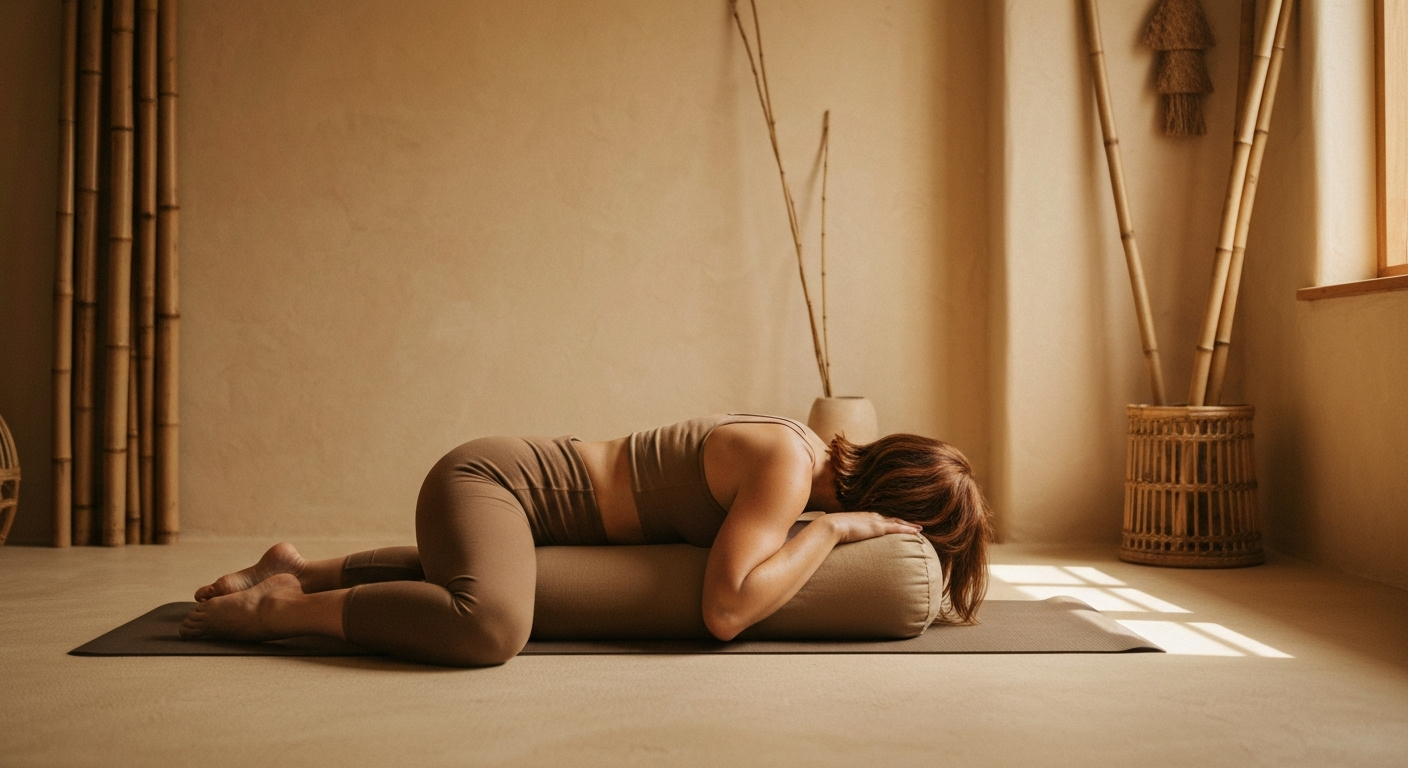
While both are slow and calming, Restorative Yoga is entirely about effortless support and deep rest, using many props so you feel zero physical tension. Yin Yoga involves a deliberate, moderate stress on the connective tissues to increase flexibility and joint health.
How often should I practice Yin Yoga?
Even 1–2 times a week can yield profound benefits for your nervous system and mobility. It is an excellent complement to more vigorous workouts or running.
Why do I feel emotional during Yin Yoga?
The body stores emotional tension in its connective tissues. As you hold deep stretches and release fascial tightness, it is very common to experience an emotional release. This is a healthy and natural part of somatic processing.
Can beginners do Yin Yoga?
Absolutely. Because it is slow and grounded, Yin Yoga is highly accessible for beginners. The challenge is usually more mental (staying still) than physical.
The Courage to Stop
In a world that demands constant acceleration, choosing to slow down is an act of quiet rebellion. Yin Yoga is not just a physical practice; it is a philosophy of living. It teaches us that we do not have to force, push, or grind our way to healing. Sometimes, the most profound transformation happens when we simply stop, breathe, and allow ourselves to be exactly where we are.
Take a deep breath. Exhale slowly. The rest is up to you.